
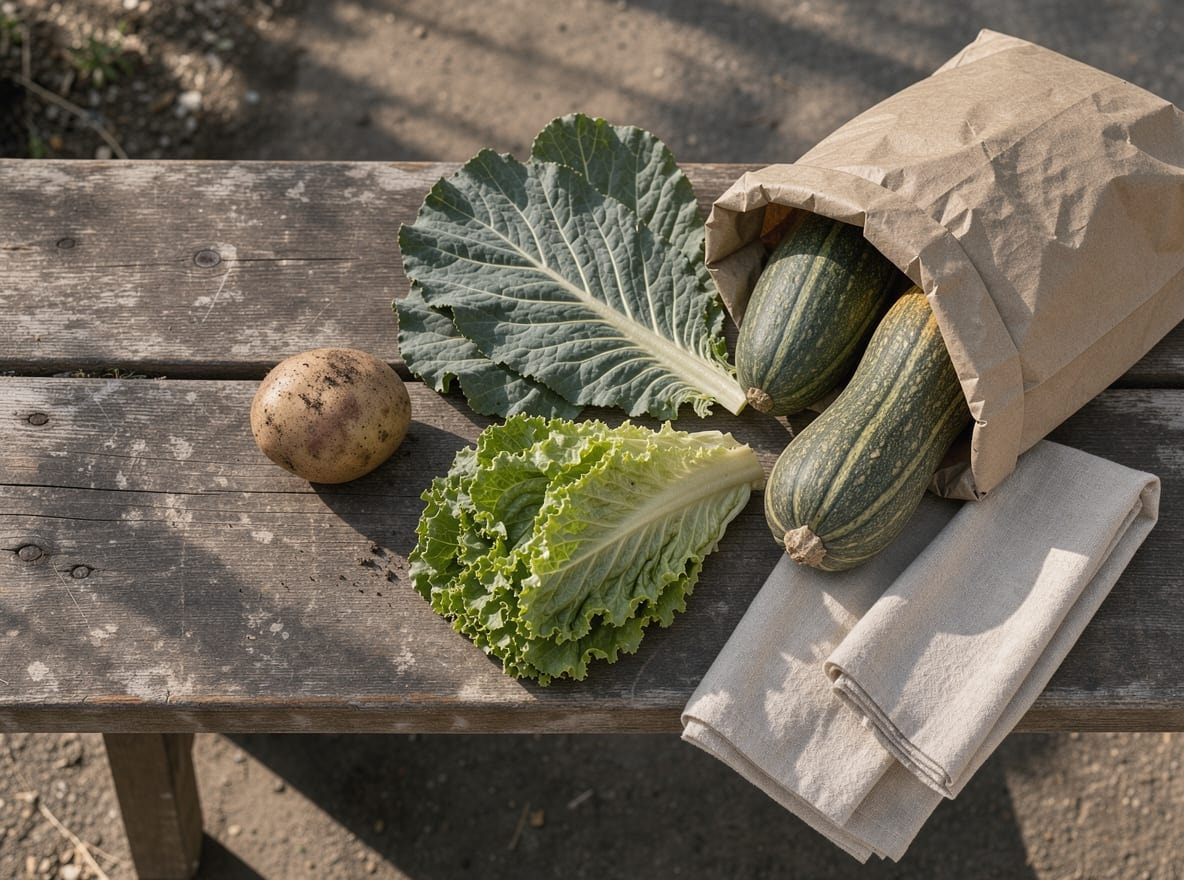
The winter bag
A root, a cooking green, a salad green and a recipe accompanied households home from Sayre’s school garden.
West Philadelphia
What could a child buy on the walk home from school? At Turner Middle School, sixth graders and Penn students took that question to class. Together they opened a fruit stand.
Follow the harvestThe student-run stand
At University City High School, selling started long before the first customer arrived. Follow one crop through the four jobs that took it from the school garden to the neighborhood market.
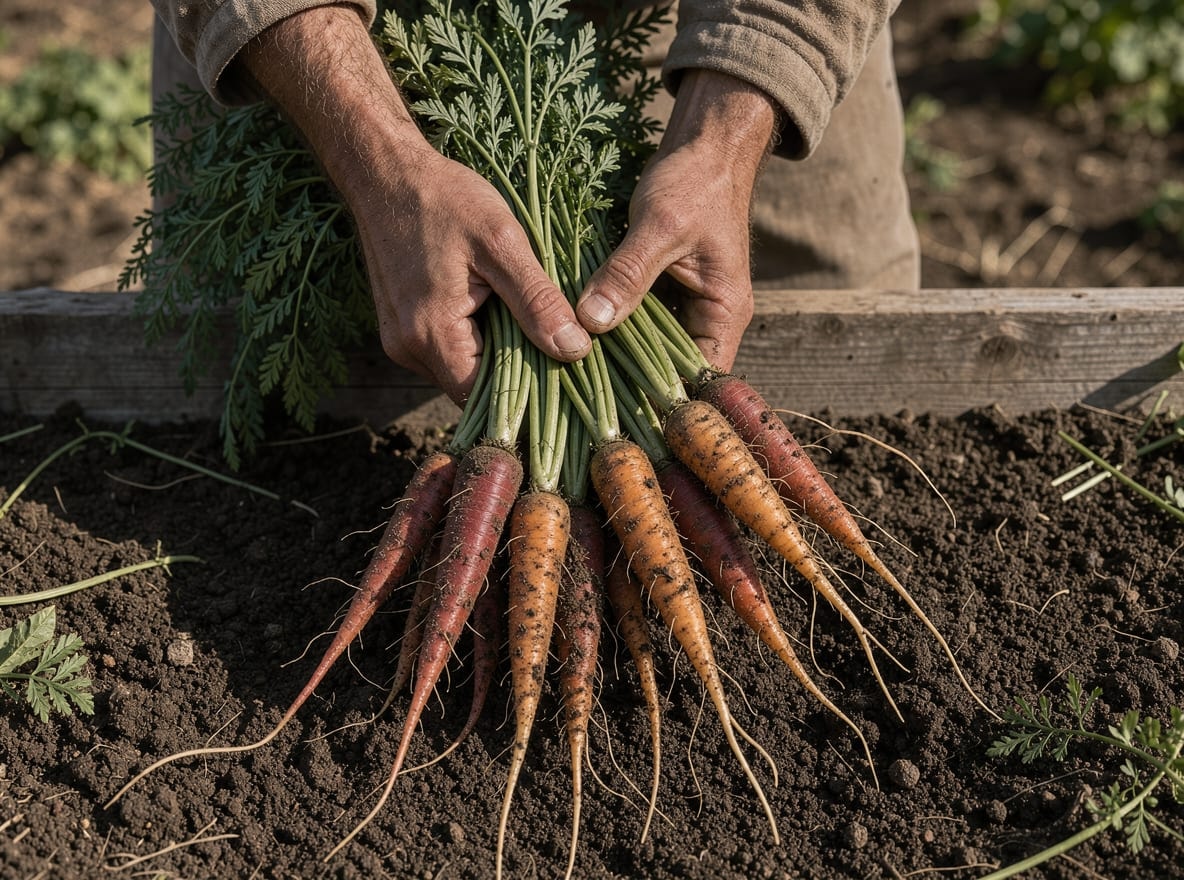
In the garden
The first inventory was the crop still in the ground. The University City crew harvested what was ready to leave the beds that day. The same garden served as an outdoor classroom for children from Drew Elementary.
Inside the school gardens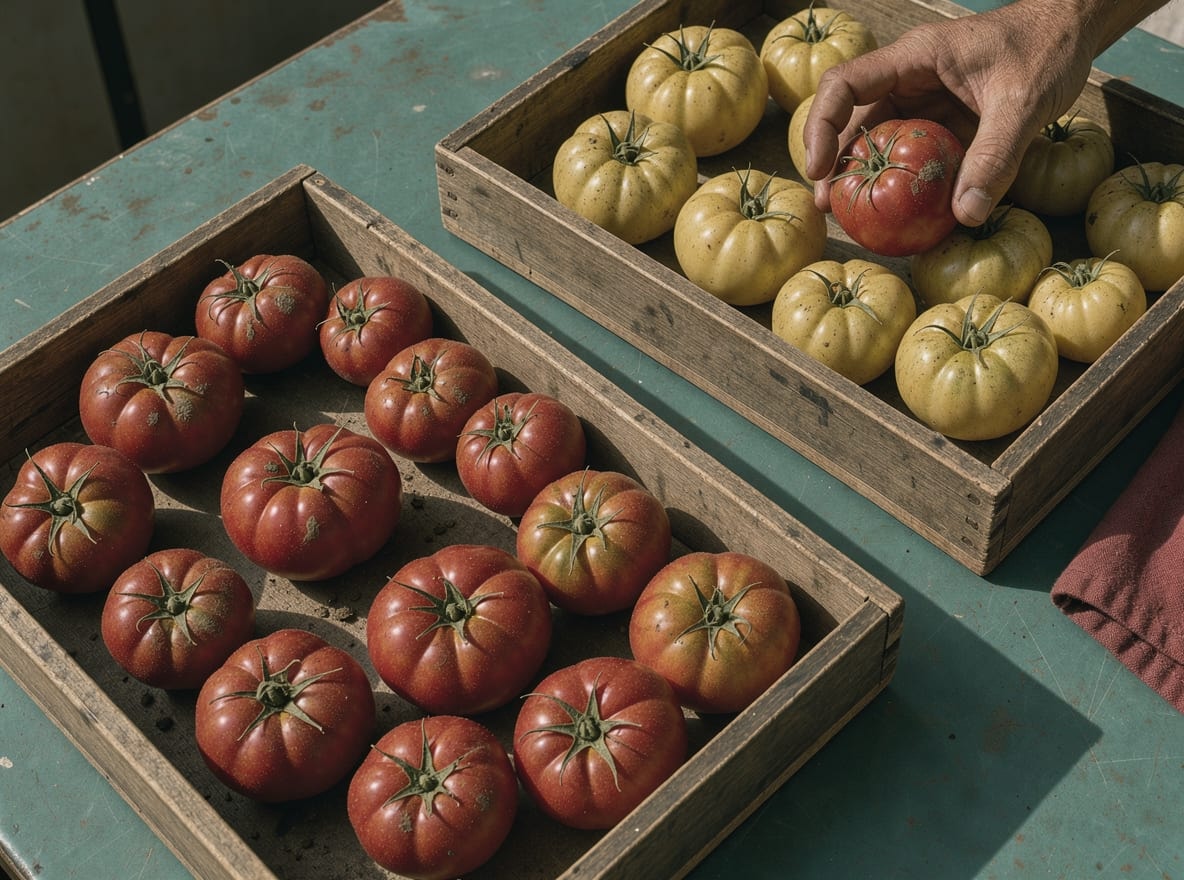
At the workbench
Before the produce traveled, the crew sorted its harvest for sale. At the school fruit stands, that same question of quantity turned into a lesson on portions, costs and losses.
The math behind a portion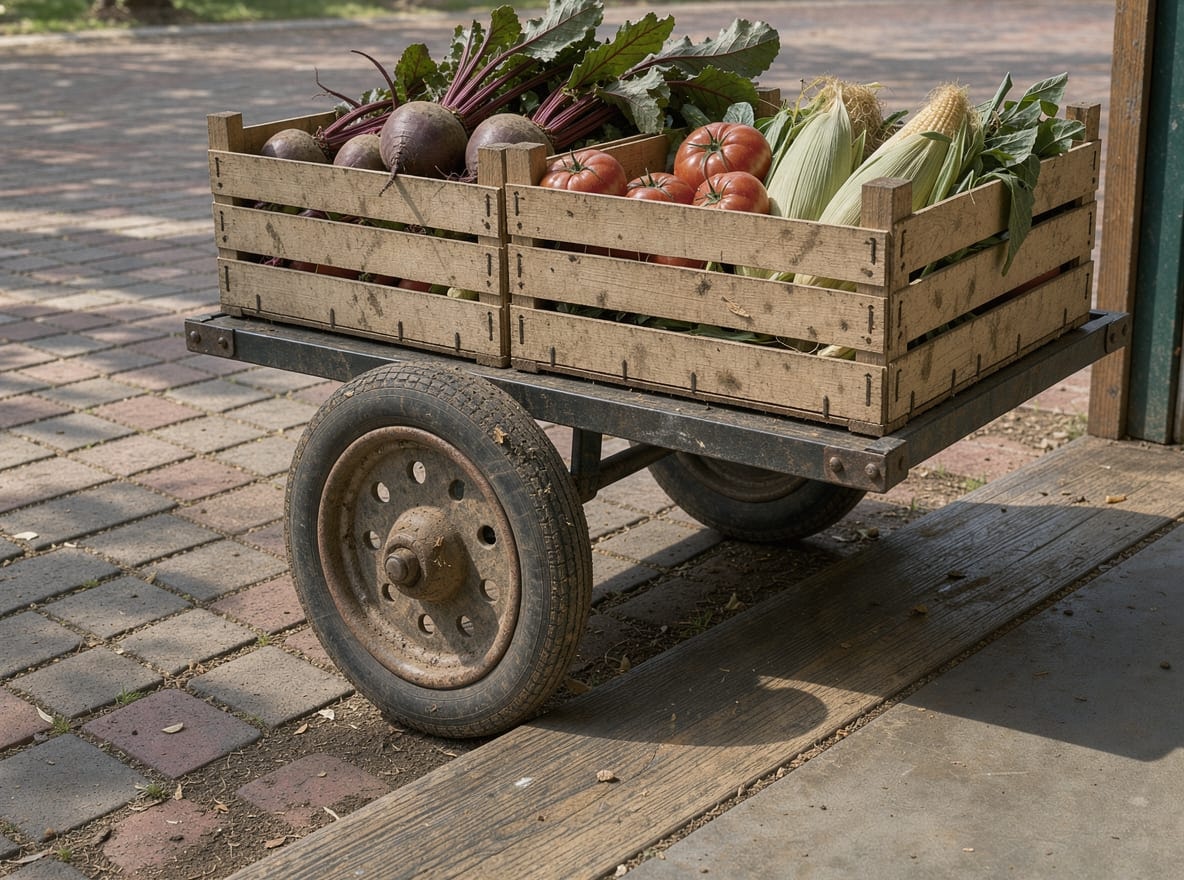
On the way
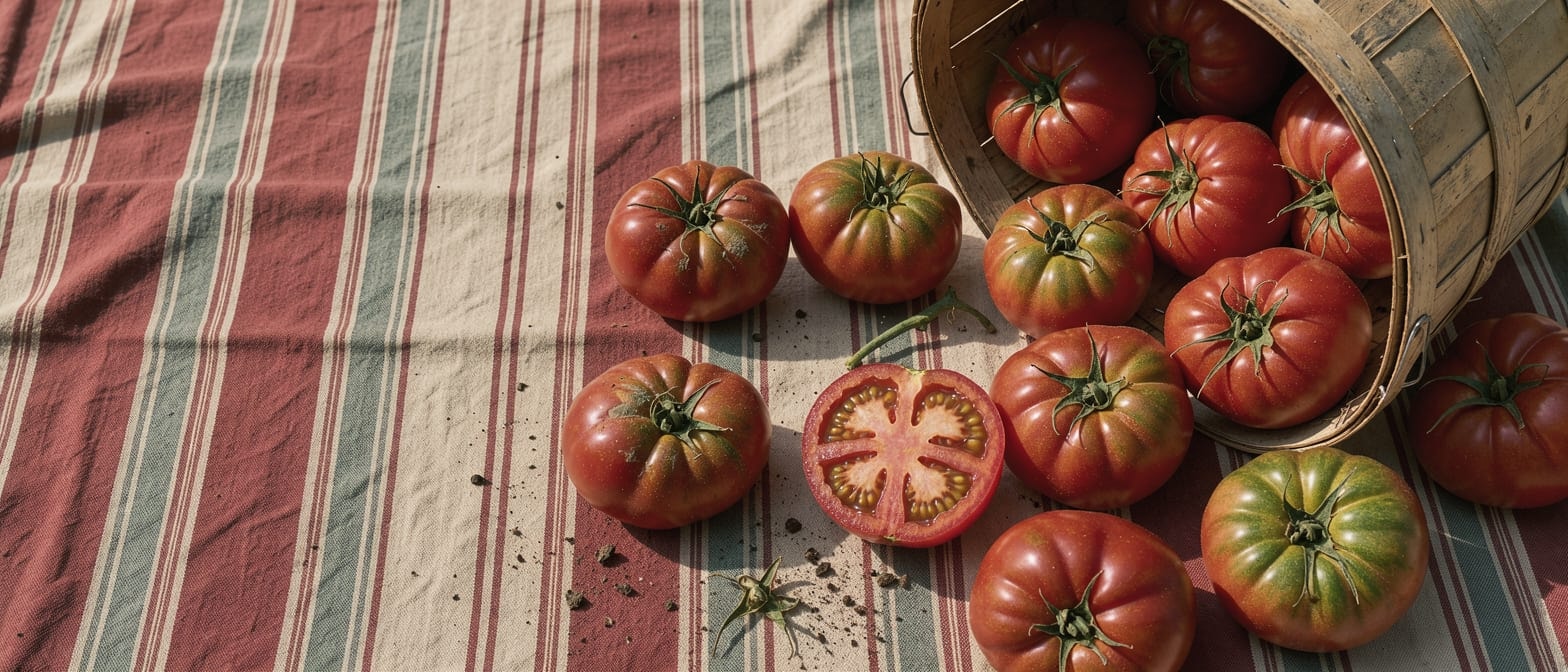
The next job was getting the harvest to the farmers’ market. That trip joined two places with different timetables. The garden had to yield a crop, and the stand had to be ready when shoppers arrived.
The distance food travels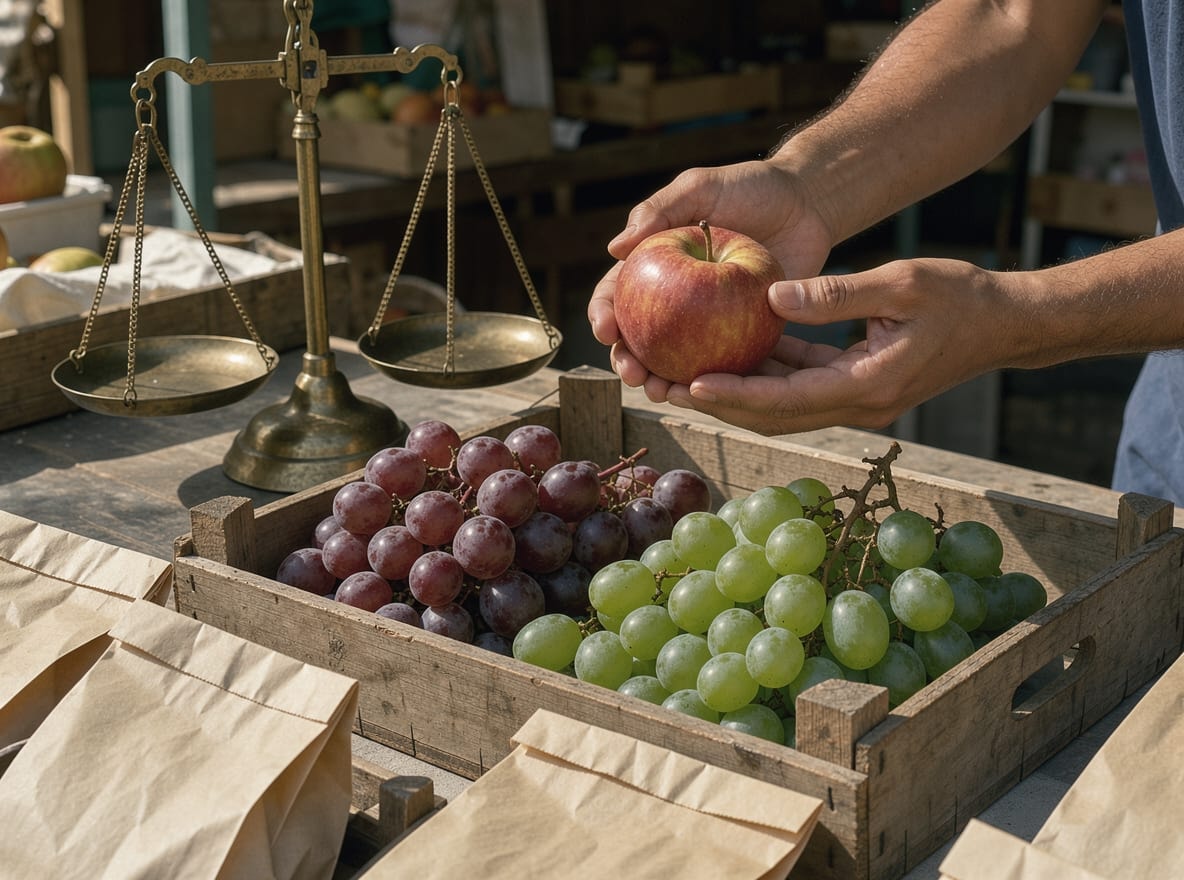
At the stall
Students sold their produce alongside local growers. What they took in at the table had to cover the work of the business. Mint for a chocolatier and herbs for a restaurant gave the crew customers beyond market day.
Where the harvest wentThe community-school idea
The Urban Nutrition Initiative brought together learners from kindergarten through college to work on real food problems. Its mission paired what students knew with what they could change in the place where they lived.
A history class smelled and tasted spices while learning about food and trade in five ancient civilizations.
Food in the classroomA student crew put a schoolyard parking lot to work, growing a crop it could take to market.
The outdoor classroomThe high school opened its gym and pool in the evening. Families could cook, swim, dance or get homework help under one roof.
Community fitness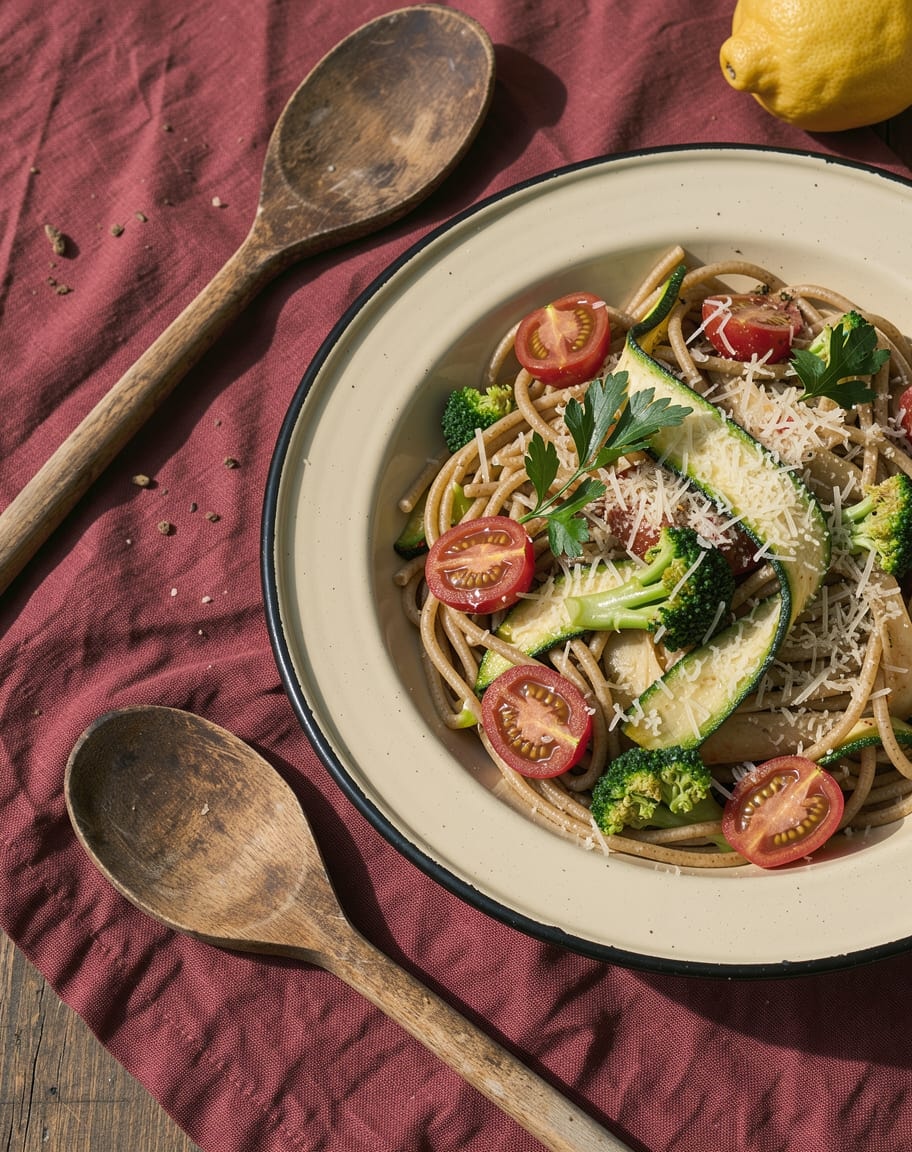
From the school kitchen
One box of whole-wheat pasta, a handful of cherry tomatoes and whatever else the garden offers. In the lunch club, every pair of hands could take a job before the bell rang again.
The class also made vegetable stir-fry, rainbow salsa, guacamole and black bean dip.
Beyond the school gate
A harvest could become a weekly bag, a young grower’s first job or a reason for several generations to work on one piece of land.
A root, a cooking green, a salad green and a recipe accompanied households home from Sayre’s school garden.

Teen growers brought food to cupboards and markets. Teen cooks took their lessons to recreation centers, shelters and other schools.

At Bartram’s Garden, a farm, orchard and community plots made room for young people and elders to grow together.